Add Row
Add Element
cropper
update
Pleasanton Home Pro Media
update
Add Element
  • Home
  • Categories
    • Renovation
    • Doors
    • Lawns
    • HVAC
    • Painting
    • Pest Control
    • Handyman
    • Cleaning
    • Windows
    • Plumbing
    • Electrical
May 15.2025
3 Minutes Read

Transform Your Home: How to Regrout Tile in Easy Steps

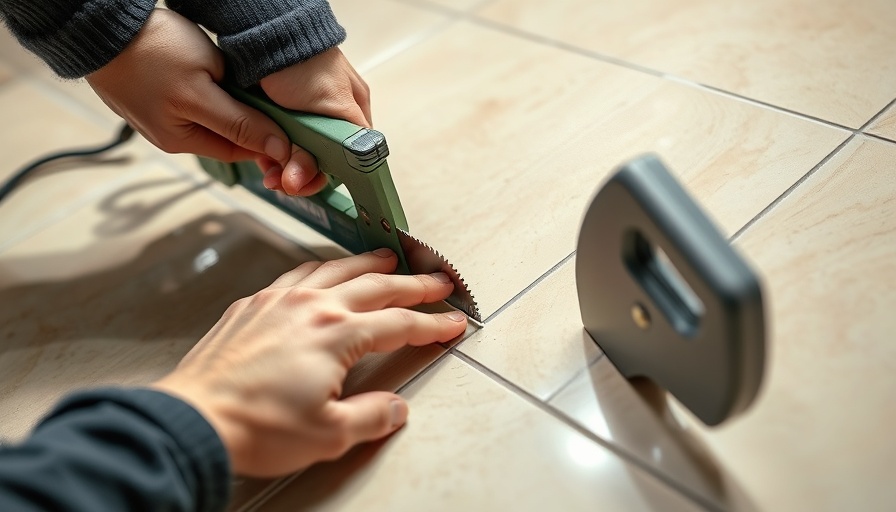
Hands regrouting light beige tiles with a grout saw tool.

The Power of a Fresh Grout Job: Why Regrouting Matters

If your tile floors are starting to show their age with unsightly grout lines, consider regrouting as an affordable and transformative option. Regrouting not only revitalizes the appearance of your floor but also extends the life of your tiles. Old grout can harbor moisture, dirt, and even mold, damaging the underlying materials over time. By taking the time to regrout, you're investing in the long-term health of your home flooring.

Step-by-Step Guide to Regrouting Tile

Let’s break down the eight easy steps that will guide you through the regrouting process, ensuring you have gorgeous, clean grout lines in no time.

1. Gather Your Tools and Materials

Before you begin, you're going to need a few key items:

  • Grout mix
  • Tile sealant
  • Oscillating tool
  • Cloth
  • Bucket
  • Trowel
  • Knife
  • Cleaner
  • Toothbrush
  • Sponge
  • Grout float
  • Tile finishing tool

Having these materials on hand ensures a smooth regrouting process.

2. Clean the Existing Grout

Your first task is to thoroughly clean the existing grout. This involves scrubbing the lines with a bleach or hydrogen peroxide solution to remove dirt, grime, and any fungal growth. For stubborn stains, using a razor blade can help to scrape away the top layer of grime—just be careful not to scratch the tiles.

3. Prepare the Area

Once cleaned, you'll want to prepare the surrounding area. Cover drains with tape to prevent mess and examine each tile for damage. Removal of old grout requires a keen eye and sufficient space to work.

4. Remove Old Grout

Using an oscillating tool, carefully remove the old grout between the tiles, working slowly to avoid damaging the tiles themselves. This process might take some time but is crucial for a fresh start.

5. Vacuum Thoroughly

Before applying new grout, vacuum the entire surface. A clean area is essential for ensuring a strong hold with the fresh grout.

6. Apply Tile Sealant

Applying a tile sealant after cleaning helps protect against future mold and mildew. Ensuring the surface is sealed before regrouting is vital for longevity.

7. Regrout the Tiles

With your area prepared, apply the new grout using a float. Press firmly to push the grout into the gaps between the tiles, ensuring it fills all voids.

8. Finishing Touches

Once the grout is applied, wipe any excess from the tile surface with a damp sponge, being cautious not to disturb the grout in the joints. Allow it to cure for the recommended time before sealing it.

Conclusion: Why Regrouting is Worth Your Time

Regrouting might seem like a daunting task, but the results are worth the effort. Not only will you have revitalized tile floors, but you’ll also feel a sense of accomplishment by taking on the project yourself. It’s an excellent way to enhance your home's aesthetics without breaking the bank. So roll up your sleeves, gather your materials, and transform your tiles into something beautiful once again! Don't forget, when you love your home, every little step counts towards creating a comforting environment.

If you’re eager to dive into your regrouting project today, make sure to prepare thoroughly and take your time. Happy DIY-ing!

Renovation

5 Views

0 Comments

Write A Comment

*
*
Related Posts All Posts
11.19.2025

Signs It's Time to Replace Your Old Driveway: Essential Insights

Update Identifying When It's Time for a Driveway Replacement Your driveway plays a crucial role in your home's curb appeal, safety, and property value. Yet, many homeowners overlook the signs indicating that it may be time to consider replacing their old driveway. In Michigan, the resilience of driveways is constantly tested by harsh weather, weight from vehicles, and the natural wear from time itself. Here are key indicators that it's time to take action. Signs Your Driveway Needs Immediate Attention One of the first red flags that your driveway may require replacement is the presence of cracks. It's normal for concrete to develop minor hairline cracks over time, but when these cracks begin to widen or deepen, or if they reappear after patching, major structural concerns are often at play. These cracks can indicate issues such as shifting soil, poor drainage, or the damaging effects of freeze-thaw cycles common in Michigan's climate. Moreover, you should be mindful of drainage issues. If you notice standing water or puddles forming in your driveway after rain, it's a sign that your driveway is no longer properly sloped to direct water away from your home, which can lead to erosion and damage not only to the driveway but also to the foundation of your house. The Impact of Michigan's Harsh Winters Michigan’s brutal winters can lead to deep surface erosion and spalling, which is the flaking of concrete surfaces caused by de-icing salts and temperature fluctuations. Once spalling starts to penetrate beyond the concrete's surface, repairs often become only temporary solutions, and replacement may be necessary. Opting for high-strength, air-entrained concrete during installation can significantly help combat future weather-related issues. Recognizing Uneven or Sunken Sections Uneven driveways can create tripping hazards and are often a symptom of underlying issues, such as poor compaction or soil settling. While small areas may be repairable through techniques like leveling or mudjacking, widespread sinking usually indicates more severe structural problems, suggesting that replacement is the more prudent long-term solution. Enhancing Curb Appeal with Modern Solutions Even if your driveway is structurally sound, an outdated appearance can diminish the overall aesthetics of your property. Replacing your driveway with contemporary design options—such as stamped, colored, or exposed aggregate—can boost your home’s visual appeal and overall market value. These modern finishes not only elevate the look of your property but are also resilient to the elements. Planning for Professional Help Before deciding to replace your driveway, it's important to consult with experienced concrete contractors who understand Michigan’s specific challenges. Companies like Rock Solid Exteriors specialize in durable installations that safeguard against our harsh winters while providing aesthetic enhancements that last. They utilize quality materials and expertise to ensure that you get the best value for your investment. Conclusion: Assessing Your Driveway's State Monitoring your driveway regularly for signs of damage is crucial to maintaining its functionality and appearance. Whether through cracks, drainage issues, or uneven surfaces, knowing when to replace your driveway can save you significant costs in repairs down the road. Don’t let a deteriorating driveway hurt your property’s value or safety—consider a professional assessment today!

10.17.2025

Unraveling Hardwood Floor Underlayment Options: Your Essential Guide

Update Choosing the Right Hardwood Floor Underlayment When it comes to installing hardwood floors, selecting the right underlayment is crucial for a long-lasting, comfortable experience. Many homeowners feel overwhelmed by the myriad options available in the market, each boasting unique features and benefits. This guide aims to simplify that decision-making process, allowing you to create the ideal foundation for your living space. What is Hardwood Floor Underlayment and Why is it Important? Hardwood floor underlayment serves two primary purposes: it acts as a moisture barrier and provides cushioning. Depending on your floor type and subfloor condition, the right underlayment can enhance comfort underfoot, reduce sound transmission, and protect against moisture damage. With the variety of underlayment options available, understanding their specifications and uses is essential. Top Underlayment Choices for Hardwood Floors Here’s a breakdown of some of the top underlayment choices, focusing on their unique advantages: 1. TrafficMASTER Polyethylene Foam - The Budget-Friendly Choice This lightweight and flexible underlayment provides a solid foundation for hardwood floors while being easy on your wallet. At just 2 millimeters thick, it has a self-adhesive strip that simplifies installation. Its moisture barrier properties make it suitable for various locations in your home. 2. Roberts AirGuard Floor Underlayment - Best for Laminate Known for its durability and cushioning, the Roberts AirGuard is a standout for laminate flooring installations. Its thin design ensures it won’t rip easily, providing a stable and comfortable walking experience, even on radiant heated floors. 3. DUROCK Cement Backer Board - Ideal for Tile For those looking to install tile floors, the DUROCK Cement Board presents an optimal solution. With thickness options between 0.25 to 0.50 inches, it combats moisture and mildew, making it ideal for laundry rooms and kitchens. 4. Eco Cork Foam Premium Underlayment - Best for Concrete This waterproof underlayment offers antimicrobial features, discouraging bacteria growth in high-traffic areas. With a thickness of 3.2 millimeters, the Eco Cork Foam is perfect for basements or family rooms where moisture could be a concern. 5. DMX 1 Step 2.0 Underlayment - Best for Vinyl If vinyl planks are on your installation list, the DMX underlayment is integral to ensuring moisture and heat protection. Its dimples aid in adhesion to any subfloor, making it versatile for engineered hardwood as well. Understanding the Installation Process While selecting the right underlayment is half the battle, ensuring correct installation is key to your flooring’s performance. Here are some tips: Ensure your subfloor is clean and dry before installation. Follow the manufacturer instructions regarding the laying down of underlayment to prevent issues down the line. Use flooring spacers to maintain necessary expansion gaps. Final Thoughts on Hardwood Floor Underlayment The right underlayment can make a significant difference in the longevity and comfort of your hardwood flooring. By exploring your options and understanding the benefits they offer, you can confidently make a choice that suits your home. Whether you go with TrafficMASTER for affordability or opt for Eco Cork Foam for its added antimicrobial feature, knowing your options puts you on the path to beautiful flooring. Call to Action Ready to take the next step in your flooring project? Visit your local home improvement store to explore these underlayment options firsthand and consult with knowledgeable staff who can assist you in making the best choice for your unique situation.

10.14.2025

Finding the Ideal Kitchen Cabinet Height for Your Space

Update Understanding Kitchen Cabinet Heights: A Practical Guide Are you thinking about updating your kitchen? One detail that can truly elevate your kitchen's design and functionality is the height of your cabinets. Many people focus on the aesthetics of their kitchen but often overlook how crucial it is to have the correct cabinet height. When planning your remodel, understanding the ideal kitchen cabinet height is essential to achieve both style and convenience. What Is the Standard Kitchen Cabinet Height? The conventional height for upper kitchen cabinets is approximately 54 inches from the ground to their bottom edge. This height is determined by adding the base cabinet height, which typically stands at 34.5 inches, the standard countertop height of 1.5 inches, and the backsplash height of 18 inches. Achieving this balance allows not only for an appealing design but also provides ease of accessibility without the need for stools or chairs. Factors That Affect Kitchen Cabinet Heights Several factors will influence how high you should install your kitchen cabinets. Let’s take a closer look at the primary considerations: 1. Base Cabinet Height The height of your base cabinets plays a pivotal role in the overall height of your upper cabinets. If you have taller base cabinets, your upper cabinets will need to be higher as well to maintain an eye-pleasing proportion. For kitchens with 9-foot ceilings, opting for 42-inch wall cabinets is common, providing a neat finish with room for crown molding. 2. Countertop Thickness Another crucial factor is the thickness of your countertop, which can vary. It's important to ensure that there is adequate space between the upper cabinets and the countertop. A gap of about a half-inch should be intentional; ignoring this space might lead to unwelcome kitchen mishaps. 3. Cooking Range Considerations Safety is paramount; hence, maintaining proper spacing between your cabinets and cooking range is critical. The height should be sufficient to prevent the risk of fire hazards while cooking. Install cabinets with a mindful distance above stoves to ensure safety. 4. Backsplash Preferences Many opt for a backsplash above their countertops, typically standard at 18 inches high. However, it can be adjusted between 15 to 20 inches depending on personal choice and kitchen design aesthetics. 5. User Needs Lastly, the specific requirements of your household members should guide the height choices. Whether you have children who need lower access or taller adults requiring higher installations, adjusting the height to meet the needs of your family will greatly enhance functionality. Benefits of Getting the Height Right Choosing the right height for your cabinets is crucial beyond aesthetics; it directly impacts the usability of your kitchen. Here are some benefits of correct kitchen cabinet heights: Improved Accessibility: Avoid straining yourself by setting cabinets at a comfortable height. Enhanced Visual Appeal: Well-proportioned cabinets create a harmonious look that flatters your kitchen. Increased Safety: Proper distancing from the stove minimizes fire hazards and cooking-related accidents. Installation Best Practices Consulting with a professional during installation can lead to the best results. They will provide guidance on ensuring the correct height, factoring in the specific elements of your kitchen space. Remember, kitchen renovations can be complex, but small considerations like cabinet height make a big difference in the end. Conclusion Incorporating these factors when determining your kitchen cabinet heights can help you create a space that is not only functional but also beautiful. Thoughtful design choices combined with practical insights can transform your kitchen into a place that feels modern and accessible. Ready to remodel your kitchen? Whether DIY or with professional help, ensuring the proper cabinet height will lead to a successful kitchen renovation.

Terms of Service

Privacy Policy

Core Modal Title

Sorry, no results found

You Might Find These Articles Interesting

T
Please Check Your Email
We Will Be Following Up Shortly
*
*
*